The production assembly line streamlines operations, ensuring that the entire process from product development and design to manufacturing and sales is standardized, scientific, and institutionalized. This is an effective way for enterprises to reduce operating costs and improve production efficiency. However, the characteristics of the production assembly line mean that the logistics operations within the factory must comply with and support the needs of the production process. Therefore, the logistics in a production assembly line are highly cooperative, dynamic, distributive, and balanced. If there are issues with logistics on the assembly line, it will inevitably affect the overall efficiency of the production line.
Conflicts in the Production Assembly Line
The high efficiency of the production assembly line and the inefficient, complex logistics distribution create a bottleneck that restricts the smooth flow of logistics within the factory. Enterprises are likely to face the following issues in the logistics distribution process on the production assembly line:
(1) The use of logistics containers on the production assembly line is not standardized, packaging is not truly standardized, and the stacking remains disorderly.
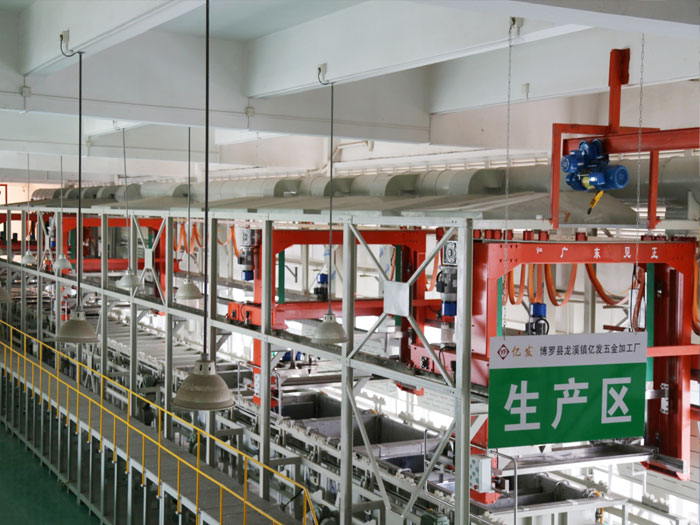
(2) While logistics can be smoothly delivered to the production line, the operation is not JIT (Just-in-Time). There is still some surplus, which leads to an increase in material accumulation and affects the subsequent material delivery. Production stoppages on the assembly line still occur from time to time.
(3) Large and heavy products of different types cause low labor efficiency for workers, leading to a decline in the quality of product assembly on the production line.
Causes of Logistics Distribution Conflicts
(1) In terms of mindset, there is a lack of understanding regarding the importance of “logistics distribution on the production assembly line” within the factory. It is mistakenly believed that standardization is limited to container standardization, rather than encompassing standardization of awareness, management, and operations.
(2) The timeliness of distribution is compromised. Due to the habitual thinking of distribution personnel, they believe that “distribution only means ensuring materials are available on the production line,” or “deliver more this time and less next time,” without considering the rhythm and dynamics of the production line. This leads to futile efforts and increased strain on the line.
(3) Insufficient grasp of product requirements. Different output levels and product types are not arranged based on the nature of their respective production methods and processes.
(4) A single production assembly line, due to its inherent limitations, has high efficiency but lacks flexibility. Frequent changes in product types and the rotation of various products lead to the line being overburdened.