Electroplating refers to a surface processing method in which the base metal to be plated is used as the cathode in a solution containing metal salts to be plated. Through the electrolysis process, the metal cations from the plating solution are deposited onto the surface of the base metal, forming a metal coating. The properties of the coating are different from the base metal and have new characteristics. According to the function of the coating, it can be classified into protective coatings, decorative coatings, and other functional coatings.
According to Kewei Xing, a company specializing in the research, design, manufacturing, sales, and service of electroplating equipment and ultrasonic cleaning equipment, electroplating is an electrochemical process and also a redox process. The basic process of electroplating is to immerse parts in a metal salt solution as the cathode, with a metal plate as the anode. After connecting to a DC power source, the required coating is deposited on the parts.
Electroplating wastewater treatment equipment: Currently, electroplating wastewater is treated using methods such as physical-chemical methods, biological treatment, ion exchange, electrolysis, and so on. These methods for treating electroplating wastewater have characteristics such as high cost, complex operation, and difficulty in handling large amounts of low-concentration harmful pollutants.
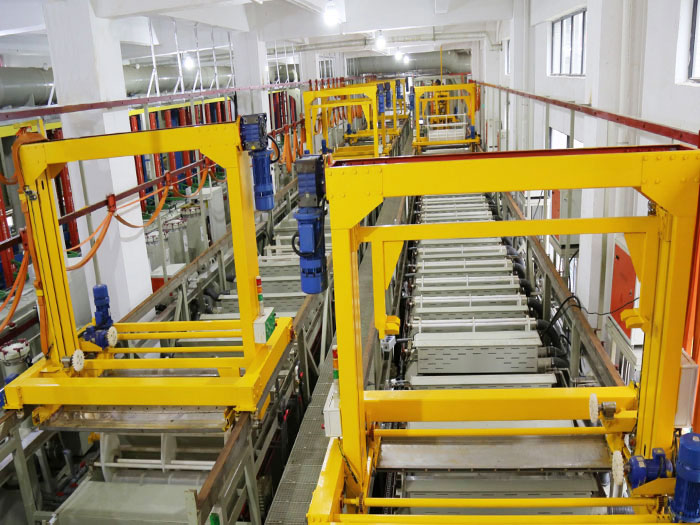
According to statistics and surveys on the current status of wastewater treatment in the electroplating industry in China, the following seven main categories of methods are widely used:
(1) **Chemical Precipitation**: This includes neutralization precipitation and sulfide precipitation.
(2) **Redox Treatment**: This is divided into chemical reduction, ferrite method, and electrolysis.
(3) **Adsorption Method**.
(4) **Solvent Extraction Separation Method**.
(5) **Ion Exchange Method**.
(6) **Membrane Separation Technology**.
(7) **Biological Treatment Technology**: This includes biological flocculation, biological adsorption, biochemical methods, and phytoremediation. However, all of these methods currently have certain drawbacks or significant irrationalities.
To address the issue of large wastewater discharge with low concentrations of harmful substances that are difficult to treat and the environmental pressure from new standards, the development of integrated membrane technology provides a graded separation treatment for comprehensive electroplating wastewater. This significantly improves the economics of traditional wastewater treatment technologies, not only completely eliminating low-concentration harmful substances in the wastewater but also meeting the latest industry discharge standards. Furthermore, it enables further deep treatment, allowing the wastewater to meet various production reuse standards.