Electroplating Equipment operation involves high-voltage electricity, corrosive chemicals, high-temperature environments, and harmful gases. Improper operation may lead to severe accidents such as electric shock, chemical burns, poisoning, fire, or explosion. To ensure safety, the following safety precautions must be strictly followed:
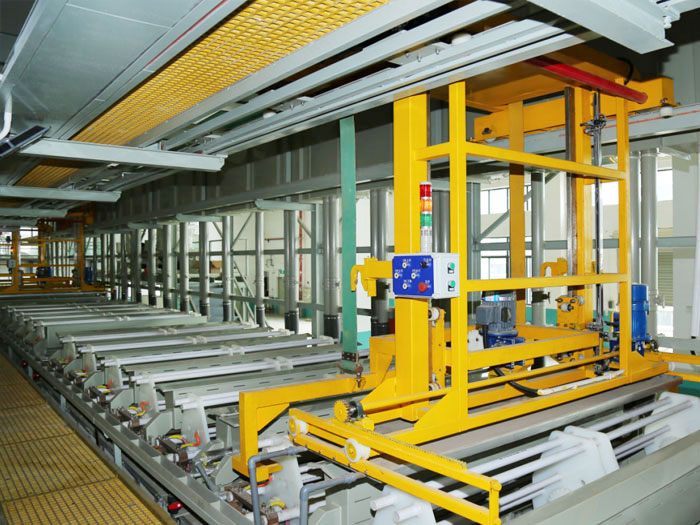
**1. Pre-Operation Preparations**
**Personal Protective Equipment (PPE)**
**Protective Clothing**: Wear acid and alkali-resistant protective clothing, rubber gloves, and safety boots to avoid direct contact with electroplating solutions.
**Respiratory Protection**: Wear a gas mask or positive-pressure air respirator when working in poorly ventilated areas or handling toxic gases (such as cyanides, chromic acid).
**Eye Protection**: Wear goggles or face shields to protect against chemical splashes, preventing electroplating solution from getting into the eyes.
**Other Equipment**: Depending on the situation, wear safety helmets, earplugs (for noise protection), etc.
**Equipment Inspection**
**Electrical System**: Check the power cables, plugs, and switches for damage, ensure proper grounding, and prevent leakage.
**Piping and Valves**: Check the electroplating solution delivery pipes and valves for leaks, ensuring proper sealing.
**Ventilation System**: Ensure that the exhaust devices (such as exhaust fans, local exhaust hoods) are operating properly to prevent the accumulation of harmful gases.
**Temperature Control**: Check heating devices (such as electric heating tubes, steam heaters) to ensure they are working correctly and prevent overheating and fire hazards.
**Environmental Safety**
**Work Area**: Keep the floor dry and use anti-slip mats to prevent slipping.
**Firefighting Equipment**: Ensure that fire extinguishers (e.g., dry powder, CO2 extinguishers), sandboxes, etc., are available and that staff are familiar with their usage.
**Emergency Equipment**: Place eyewash stations and emergency shower units in visible locations for quick treatment of chemical burns.
**2. Safety Regulations During Operation**
**Chemical Management**
**Storage and Labeling**: Electroplating solutions (such as sulfuric acid, hydrochloric acid, cyanides) should be stored in designated cabinets and clearly labeled with hazard symbols.
**Adding Chemicals**: Wear protective equipment, slowly pour chemicals into the electroplating tank, and avoid splashing. Never handle chemicals with bare hands.
**Waste Disposal**: Waste solutions should be collected and disposed of according to environmental protection regulations. Do not discard them arbitrarily.
**Electrical Safety**
**Power Cut-Off**: When cleaning or repairing equipment, always cut off the power supply and hang a "Do Not Close" warning sign.
**Avoid Wet Hands**: Never handle electrical equipment in a damp environment to prevent electric shock.
**High-Voltage Warning**: Set up protective barriers around high-voltage equipment (e.g., rectifiers), and non-professional personnel should not approach.
**High-Temperature Protection**
**Heating Equipment**: Wear heat-resistant gloves when operating high-temperature electroplating tanks (e.g., chromium plating tanks) to avoid burns.
**Temperature Monitoring**: Regularly check thermometers to ensure the tank solution temperature remains within the safe range (typically 40-90°C).
**Ventilation and Gas Protection**
**Local Exhaust**: Install exhaust hoods above electroplating tanks to quickly remove harmful gases (such as chromic acid mist, hydrogen cyanide).
**Gas Detection**: Before working in confined spaces (such as inside plating tanks), check the oxygen concentration and toxic gas levels to ensure safety.
**Mechanical Safety**
**Automatic Line Protection**: Set up protective covers around the drive components (e.g., chains, gears) of the electroplating automatic line to prevent accidents from entanglement.
**Lifting Operations**: When using cranes or lifting equipment, ensure that hooks and wires are undamaged to avoid falling heavy objects.
**3. Post-Operation Safety Measures**
**Equipment Cleaning and Maintenance**
**Cleaning Electroplating Tanks**: After operation, rinse the tanks with water to prevent residue solution from corroding the equipment.
**Piping Inspection**: Regularly check the electroplating solution circulation pipes for blockages or leaks, and perform timely repairs.
**Lubrication Maintenance**: Regularly lubricate mechanical components (such as pumps and valves) to extend service life.
**Personal Hygiene**
**Change Clothing**: Immediately change work clothes after operation to avoid bringing chemicals home.
**Clean the Body**: Thoroughly wash hands, face, and other exposed areas with soap to prevent the absorption of harmful substances through the skin.
**Recording and Reporting**
**Operation Records**: Maintain detailed records of equipment operation parameters, chemical additive amounts, and any abnormal situations.
**Hazard Reporting**: Immediately report equipment malfunctions or safety hazards and stop use until repairs are made.
**4. Emergency Procedures**
**Chemical Burns**: Immediately flush the affected area with plenty of water for at least 15 minutes and seek medical attention.
**Electric Shock Accidents**: Cut off the power supply, use an insulating object (such as a wooden stick) to separate the victim from the power source, perform CPR, and call emergency services.
**Fire and Explosion**: Use a dry powder fire extinguisher to extinguish small fires. If the fire is large, evacuate immediately and call the fire department.
**Poisoning or Asphyxiation**: Move the victim to an area with fresh air, keep the airway open, and perform artificial respiration if necessary. Take the person to the hospital.
**5. Training and Awareness Enhancement**
**Regular Training**: Organize employee training on electroplating safety procedures, chemical MSDS (Material Safety Data Sheets), and emergency response methods.
**Safety Drills**: Conduct biannual emergency drills for fire, leakage, etc., to enhance employees' emergency response capabilities.
**Safety Culture**: Encourage employees to report safety hazards and reward safe behaviors to create a positive safety culture.