Small Electroplating Equipment must be equipped with multiple safety protection mechanisms to ensure operational safety, covering aspects such as equipment design, electrical safety, chemical management, ventilation systems, personal protection, and emergency response. The details are as follows:
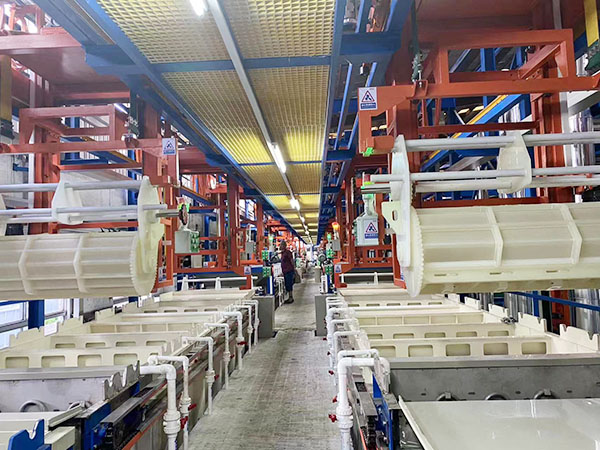
1. Equipment Design and Manufacturing Safety
Compliance: The design and manufacturing of the equipment must comply with relevant safety standards and regulatory requirements to ensure structural stability and reliability.
Material Selection: The plating tank and lining materials should be selected based on the chemical composition, concentration, and temperature of the solution to ensure they are resistant to corrosion and deformation.
Isolation Measures: Cyanide-containing plating tanks should be kept at a safe distance from acidic substances or effectively isolated to prevent the generation of toxic gases such as hydrogen cyanide.
2. Electrical Safety
Grounding and Insulation: The rectifier housing, electric heating tubes, etc., must be properly grounded to prevent electric leakage.
Insulation should be applied between the conductive base and the tank body, as well as between the tank body and the ground to avoid current conduction.
Leakage Protection: Electrical equipment in damp work areas should be equipped with leakage protection devices to ensure personnel safety.
Electrical Layout: The rectifier should be installed in a well-ventilated, dry area, with a minimum spacing of 600mm between units to ensure cooling and maintenance space.
3. Chemical Management
Storage and Use: Chemicals should be stored separately, and incompatible chemicals should not be stored together.
Before using chemicals, operators must familiarize themselves with their properties, safe operation procedures, and emergency response methods.
Labeling and Tags: All chemical containers must be clearly labeled with the name, composition, and hazards of the chemicals.
Safe Use: Operators should wear protective equipment to avoid direct contact with chemicals, especially corrosive substances such as strong acids and strong alkalis.
4. Ventilation System
Exhaust Hood Design: The type and installation method of exhaust hoods should be determined based on the characteristics and emission patterns of harmful substances. Closed exhaust hoods should be installed whenever possible.
Airflow Speed Control: The airflow speed at the exhaust port should be maintained between 7 m/s and 10 m/s to ensure the timely discharge of harmful gases.
Exhaust Hood Height: The height of the exhaust hood should not be less than 150mm above the liquid surface, and a sealed movable cover or material should be used on the surface to reduce the volatilization of harmful substances.
5. Personal Protective Equipment
Protective Clothing: Choose materials like rubber or polyethylene to fully cover the electroplating liquid and prevent skin contact.
Protective Gloves: Choose gloves that are resistant to chemical corrosion, abrasion, and tearing, ensuring that the material does not react with electroplating solutions.
Protective Shoes: The shoes should be slip-resistant, insulated, and corrosion-resistant to protect the feet from electroplating solutions and prevent slipping.
Respirators and Goggles: Select appropriate respirators based on the volatility and harmfulness of electroplating solutions, such as dust masks or gas masks; goggles should be able to prevent electroplating liquids from splashing into the eyes and ensure eye safety.
6. Emergency Response Measures
Emergency Plan: Develop an emergency response plan for electroplating processing accidents, clearly defining the response process and responsible personnel.
Emergency Equipment: The workshop should be equipped with emergency eye wash stations, emergency showers, and other emergency rescue devices to handle unexpected situations and accidents.
Regular Drills: Regularly organize emergency drills for employees to improve their ability to respond to emergencies.