Electroplating Equipment maintenance should cover multiple aspects including daily cleaning, regular inspections, key component maintenance, lubrication, electrical system maintenance, safety protection, and long-term shutdown maintenance. The following are specific maintenance tips:
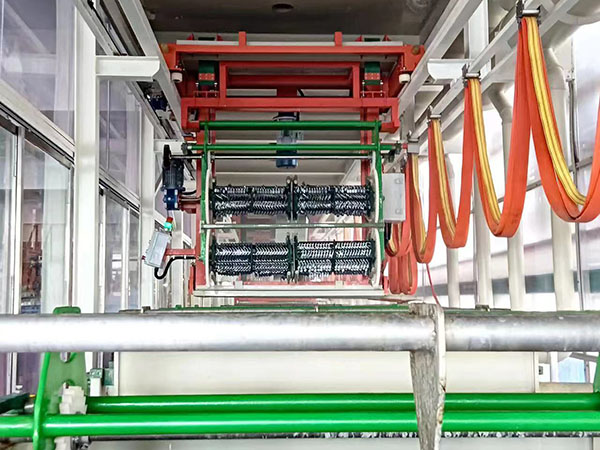
1. Daily Cleaning and Inspection
Surface Cleaning
At the end of each working day, the surface of the equipment should be cleaned to remove dust, oil stains, and electroplating solution residues. Key parts such as electroplating tanks, electrodes, and fixtures should be cleaned with specialized cleaning agents to prevent corrosion and scaling.
Electroplating Tank Maintenance
Regularly clean the sediment and impurities inside the electroplating tank to prevent them from affecting the quality of the plating solution and electroplating results. Also, check for leaks, corrosion, or other issues in the tank body and address them promptly.
Filter System Inspection
Regularly clean or replace the filtration system of the plating solution to prevent impurities from entering the electroplating tank and affecting product quality.
Electroplating Solution Concentration and Temperature
Check the concentration and temperature of the electroplating solution daily to ensure they are within the required range for the process. Add or adjust the electroplating solution as necessary according to production requirements.
2. Regular Inspections and Maintenance
Comprehensive Equipment Inspection
Conduct a comprehensive inspection of the equipment every month, covering mechanical, electrical, hydraulic, and other systems, to ensure all components are in good condition.
Electrode and Fixture Inspection
Check the wear of electrodes and fixtures. If necessary, replace or repair them to ensure effective electroplating.
Heating and Cooling System Inspection
Check the functioning of heating elements and cooling systems to ensure they are operating correctly, preventing temperature fluctuations that could impact plating quality.
Seal Inspection
Inspect seals (such as O-rings, gaskets) for any damage or wear, ensuring they are intact to prevent leakage of electroplating solution.
3. Key Component Maintenance
Lubrication of Moving Parts
Lubricate moving parts (such as drive shafts, chains, guides) regularly with appropriate lubricants to ensure smooth operation and reduce wear.
Power Supply and Cable Inspection
Regularly inspect the power supply lines and cables to ensure secure connections and check for signs of aging or damage to ensure safe electrical system operation.
Control System Inspection
Inspect the control panel, buttons, and indicators to ensure they are functioning correctly. Repair or replace any faulty components promptly.
4. Long-Term Shutdown Maintenance
Cleaning and Drying the Equipment
Before a long shutdown, clean any accumulated water from the floor and ensure the equipment is in a dry environment.
Component Protection
Wrap all motors in plastic film to prevent aging; lubricate all bearings with grease; inject grease into all trolley wheel bearings; wrap all spray oil components in the trolley with plastic film; drain and clean all pipes; clean all heaters and cooling coils thoroughly.
Pre-Start Inspection After Long Shutdown
Before restarting after a long shutdown, remove all plastic film from the wrapped equipment parts; inspect the wiring inside motor junction boxes for proper contact, and replace any aging wires; check the lubrication of the gearbox, and during motor test runs, listen for any abnormal noise from the gearbox; inspect the lubrication of all bearings and trolley wheel bearings, adding grease if necessary; check the spray oil components in the frame and repaint or touch up any areas where paint has peeled off or aged.
5. Safety Protection and Operational Standards
Personal Protection
Operators should wear protective clothing, gloves, goggles, and other personal protective equipment to avoid contact with electroplating solutions and chemicals.
Safe Operation
When maintaining equipment, ensure the power supply is disconnected to prevent electrical accidents. Store electroplating solutions and chemicals in designated containers to avoid leaks and contamination. Follow operational procedures strictly when using chemicals to prevent chemical reactions or explosions.
Training and Education
Regularly train operators on equipment operation and maintenance to improve their skills and maintenance awareness. Training should cover basic principles of the equipment, operating procedures, maintenance methods, and troubleshooting techniques.